Aug 12, 2025
Landscape Design in Abbotsford: How to Design the Perfect Outdoor Space
Planning a landscape in Abbotsford? Learn how to design a functional, low-maintenance outdoor space suited for the Fraser Valley climate.
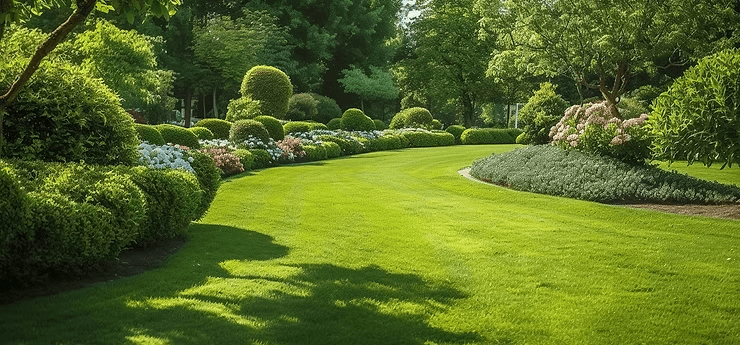
How to Design the Perfect Landscape for Your Abbotsford Home
A well-designed landscape does more than improve appearance. It creates usable outdoor space, supports long-term property value, and reduces maintenance headaches.
For homeowners in Abbotsford, Mission, and Langley, successful landscape design must account for:
Wet fall and winter seasons
Dry summer months
Varying soil conditions
Drainage considerations
This guide provides a practical framework for planning a landscape that works long-term in the Fraser Valley.
Why Landscape Design Matters
Professional landscape planning can:
Increase property value
Improve curb appeal
Create defined outdoor living areas
Improve drainage and reduce water issues
Lower long-term maintenance costs
A thoughtful design prevents costly changes later.
Step 1: Assess Your Property
Before choosing plants or materials, evaluate your site conditions.
Review:
Sun exposure throughout the day
Soil quality
Drainage patterns
Wind exposure
Existing vegetation
In Abbotsford, drainage planning is especially important due to heavy rainfall seasons.
Identify Problem Areas
Look for:
Standing water after rain
Overgrown or unhealthy plant beds
Sloped areas that may require retaining walls
Poorly defined walkways or entry points
Addressing structural issues early avoids future repairs.
Step 2: Define Your Goals
Clarify how you want to use your outdoor space.
Common goals include:
Low-maintenance landscaping
Outdoor entertaining areas
Child- or pet-friendly yards
Modern, structured design
Natural, garden-focused aesthetic
Clear objectives guide every design decision.
Step 3: Choose a Landscape Style That Fits Your Home
Your landscape should complement your home’s architecture and neighborhood setting.
Modern Landscape Design
Clean lines
Minimal plant variety
Concrete, steel, and structured planting beds
Natural / West Coast Style
Native plants
Layered greenery
Organic shapes and stone accents
Cottage-Inspired Gardens
Flower-heavy beds
Curved pathways
Traditional fencing and borders
For homes in Abbotsford and surrounding communities, West Coast natural landscaping often performs best in local conditions.
Step 4: Plan the Layout
Effective landscape design balances softscaping (plants, turf, mulch) with hardscaping (patios, walkways, retaining walls).
Key Layout Components:
Entryway
Clean, welcoming front path
Defined borders
Low-maintenance shrubs
Outdoor Living Areas
Patio or deck
Defined seating space
Shade structures if needed
Focal Points
Feature trees
Fire pits
Water features
Accent lighting
Traffic Flow
Logical pathways
Clear transitions between spaces
Step 5: Select Plants for the Fraser Valley Climate
Plant selection should prioritize longevity and manageable upkeep.
Best Practices:
Choose native or climate-adapted species
Mix evergreen and seasonal plants
Avoid overcrowding
Consider mature plant size
The “right plant, right place” approach prevents future replanting and maintenance issues.
Step 6: Incorporate Hardscaping
Hardscaping provides structure and usability.
Popular features in Abbotsford landscape projects:
Patios and outdoor dining areas
Retaining walls for slope management
Pathways for accessibility
Deck construction
Fire features
Proper installation is critical to ensure long-term durability, especially in wet conditions.
Step 7: Add Outdoor Lighting
Lighting increases safety and extends usability.
Common options:
Path lights
Spotlights for trees or architectural features
String lighting over patios
Low-voltage systems
Well-placed lighting improves both security and visual appeal.
Step 8: Design for Sustainability
Sustainable landscape design lowers maintenance costs and supports long-term performance.
Consider:
Drip irrigation systems
Rainwater collection
Mulched planting beds
Drought-tolerant plants
Reduced turf areas
In Abbotsford’s climate, water management planning is essential.
Step 9: Plan for Maintenance
Every landscape requires upkeep. Designing with maintenance in mind prevents frustration later.
Ongoing tasks include:
Pruning
Lawn edging
Weed management
Irrigation inspections
Mulch refresh
For homeowners who prefer predictable upkeep, professional property maintenance services help maintain appearance year-round.
Step 10: When to Hire a Professional Landscape Contractor
DIY landscaping works for small projects. However, professional support is recommended for:
Drainage corrections
Large retaining walls
Hardscape installations
Multi-phase landscape builds
Strata or commercial properties
Professional design and installation ensure proper grading, material selection, and long-term durability.
Common Landscape Design Mistakes to Avoid
Overplanting without growth planning
Ignoring drainage issues
Choosing high-maintenance plants
Poor scale between features
Skipping long-term maintenance planning
Correcting these mistakes later often costs more than proper planning upfront.
Designing a Landscape That Lasts
The perfect landscape balances:
Practical function
Aesthetic consistency
Climate durability
Sustainable planning
For homeowners in Abbotsford, Mission, and Langley, long-term performance matters more than short-term trends.
Ready to Plan Your Landscape in Abbotsford?
Whether you're starting fresh or upgrading an existing yard, LandShapers provides:
Landscape design
Landscape build services
Property & strata maintenance
Deck construction
If you're ready to move forward with a clear, professional plan:
Request a Free Estimate and let’s discuss your project goals.